
Skilled Nursing Care at Home in Texas: Services, Benefits & Eligibility
Skilled nursing care at home allows patients to receive professional medical attention in the comfort of their own homes. Whether recovering from surgery, managing a chronic illness, or requiring specialized nursing procedures, in-home skilled nursing services can provide important medical support without requiring a stay in a healthcare facility.
At Alegre Home Health Care, skilled nursing is part of our comprehensive home healthcare services for patients and families across Texas, including communities in Mission, San Antonio, El Paso, and Eagle Pass.
This guide explains what skilled nursing is, which services nurses can provide at home, who may qualify, and how to find appropriate professional nursing support.
What Is Skilled Nursing Care at Home?
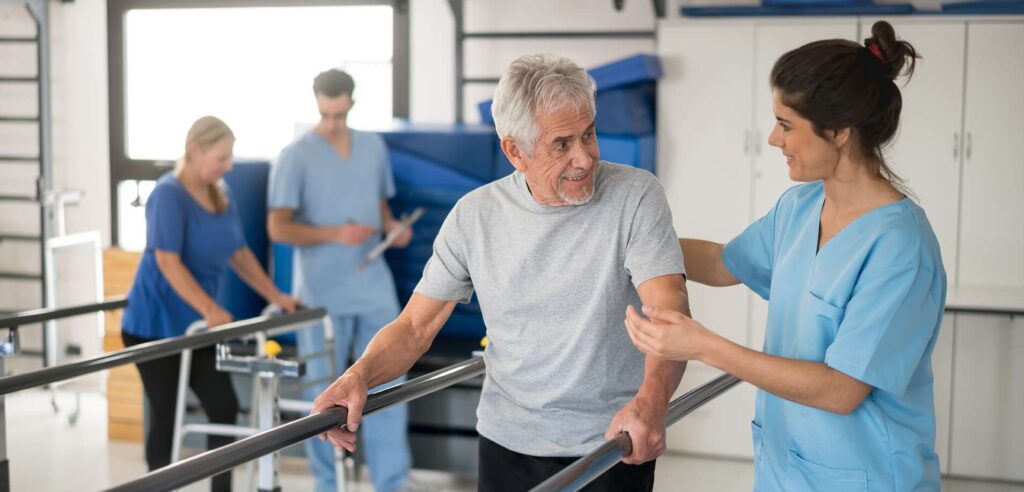
Skilled nursing care at home is medically necessary care provided by licensed nursing professionals in a patient’s residence under an individualized plan of care.
Unlike nonmedical caregiving, skilled nursing involves clinical assessment, treatment, monitoring, and procedures that require professional nursing knowledge and training.
Depending on the patient’s needs, services may be delivered by registered nurses (RNs) or licensed vocational nurses (LVNs), working within their authorized scope of practice and under appropriate clinical supervision.
Common examples include:
- Skilled wound assessment and dressing changes.
- Medication administration and monitoring.
- Urinary catheter care and management.
- Ostomy care and patient education.
- Intravenous (IV) therapy when prescribed.
- Monitoring complex or unstable medical conditions.
- Post-surgical nursing care.
- Chronic disease education and management.
The frequency and duration of nursing visits depend on medical necessity, the prescribed care plan, and applicable coverage requirements.
Skilled Nursing at Home vs. a Skilled Nursing Facility
Skilled nursing services can be provided in different healthcare settings, but home health nursing and skilled nursing facility care are not the same.
A skilled nursing facility (SNF) is a licensed inpatient setting where patients receive nursing and rehabilitation services, often following hospitalization.
By contrast, in-home skilled nursing care brings eligible nursing services directly to the patient’s residence.
| Feature | Skilled Nursing at Home | Skilled Nursing Facility |
|---|---|---|
| Care setting | Patient’s residence | Inpatient healthcare facility |
| Nursing availability | Scheduled visits based on care needs | Nursing services available around the clock |
| Living arrangement | Patient remains at home | Patient stays at the facility |
| Typical needs | Intermittent skilled care and monitoring | More intensive nursing or rehabilitation needs |
| Medicare coverage | Home health eligibility rules | Separate SNF eligibility rules |
Home-based nursing is not a substitute for hospitalization or continuous medical supervision when a patient’s condition requires a higher level of care.
What Services Do Skilled Nurses Provide at Home?
Skilled home health nurses may provide a variety of clinical services depending on their qualifications, the agency’s capabilities, and the patient’s prescribed care plan.
1. Post-Surgical Nursing Care
Recovering from surgery can require careful monitoring and professional follow-up.
Skilled nurses may assist with:
- Monitoring surgical wounds and identifying complications.
- Performing prescribed dressing changes.
- Assessing pain and response to treatment.
- Monitoring vital signs and recovery progress.
- Administering prescribed medications.
- Teaching patients and caregivers about postoperative care.
- Communicating changes in condition to the treating provider.
Post-surgical nursing care at home can be especially valuable for patients who need continued medical monitoring after hospital discharge.
Patients recovering from orthopedic procedures may also benefit from coordinated physical or occupational therapy when ordered.
2. Wound Care and Wound Management
Professional wound care is one of the most common reasons patients require skilled nursing services at home.
Depending on the care plan, skilled nurses may provide:
- Wound assessment and measurement.
- Cleaning and dressing changes.
- Monitoring for infection or delayed healing.
- Pressure injury management.
- Diabetic wound monitoring.
- Prescribed negative-pressure wound therapy.
- Patient and caregiver education.
Patients with diabetes, limited mobility, surgical wounds, or chronic medical conditions may require additional attention to wound healing.
Learn more about wound care at home and the role of professional nursing in wound management.
3. Medication Management and Administration
Medication-related problems can occur when patients take multiple prescriptions, have difficulty following treatment instructions, or experience changes in their medical condition.
Skilled nurses may help by:
- Reviewing medication lists and identifying discrepancies.
- Administering prescribed medications within their scope of practice.
- Monitoring for possible adverse reactions.
- Educating patients about medication schedules.
- Reporting concerns to the prescribing healthcare professional.
- Supporting safe medication adherence.
Registered nurses and licensed vocational nurses do not independently prescribe medications solely by virtue of their nursing licenses. Prescribing authority is governed by professional credentials and applicable law.
4. Urinary Catheter Care and Management
Patients with urinary retention, certain neurological conditions, or postoperative bladder problems may require a urinary catheter.
Skilled nursing catheter care may involve:
- Assessing catheter function and urine drainage.
- Monitoring for catheter-related complications.
- Providing prescribed catheter maintenance.
- Teaching proper hygiene and drainage bag handling.
- Supporting catheter changes when ordered and within the nurse’s scope.
- Communicating signs of possible infection or obstruction to the treating provider.
Appropriate catheter maintenance is important because prolonged catheter use can increase the risk of catheter-associated urinary tract infections.
For detailed patient and caregiver guidance, read our urinary catheter care at home guide.
5. Ostomy and Colostomy Care
Patients who undergo bowel or urinary diversion surgery may require an ostomy pouch to collect bodily waste.
Skilled nursing support can include:
- Assessing the stoma and surrounding skin.
- Teaching appropriate pouch emptying and replacement.
- Identifying skin irritation or leakage problems.
- Monitoring for potential complications.
- Helping patients and caregivers understand daily ostomy management.
Ostomy education can help patients become more confident with their care routines and recognize when professional assistance is necessary.
Learn more about ostomy care and home-based patient support.
6. Intravenous (IV) Therapy and Injections
Some patients require prescribed medications or treatments delivered through intravenous access or injection.
Depending on clinical orders and agency capabilities, skilled nurses may assist with:
- Administering prescribed IV medications.
- Monitoring vascular access devices.
- Observing for infusion-related complications.
- Administering prescribed injections.
- Educating patients about treatment precautions.
- Coordinating with prescribing providers.
Not every IV medication or infusion is appropriate for administration at home. Treatment suitability depends on the patient’s condition, medication, monitoring requirements, and available resources.
7. Diabetes Management and Education
Diabetes can require ongoing medical assessment, medication management, and patient education.
Skilled nursing services may include:
- Monitoring blood glucose readings.
- Administering prescribed insulin or other medications.
- Teaching safe medication and glucose-monitoring practices.
- Monitoring for complications.
- Providing diabetic foot and skin-care education.
- Supporting adherence to the prescribed treatment plan.
The goal is to help patients understand their condition, follow medical recommendations, and recognize changes that require professional attention.
8. Cardiac and Chronic Disease Monitoring
Patients living with heart failure, hypertension, chronic obstructive pulmonary disease (COPD), or other long-term conditions may require skilled clinical monitoring.
Nursing care may include:
- Monitoring blood pressure, heart rate, and other vital signs.
- Assessing symptoms and changes in condition.
- Monitoring response to prescribed treatments.
- Teaching patients how to recognize warning signs.
- Supporting medication adherence.
- Coordinating with physicians and other healthcare professionals.
Skilled nursing can also help patients and caregivers understand disease-management instructions following hospitalization.
9. Oxygen Therapy and Respiratory Care
Some patients with respiratory conditions require prescribed supplemental oxygen or additional monitoring.
Within their scope of practice, skilled nurses may:
- Monitor respiratory status and oxygen saturation.
- Assess response to prescribed oxygen therapy.
- Teach safe oxygen equipment practices.
- Identify changes that require medical evaluation.
- Coordinate respiratory concerns with the treating provider.
Oxygen should be used according to a qualified prescriber’s instructions. Patients should not independently change prescribed oxygen flow rates without appropriate guidance.
10. Continence Care and Patient Education
Patients with bladder or bowel control problems may require individualized clinical assessment and support.
Skilled nursing may include evaluating symptoms, reviewing prescribed management strategies, providing catheter-related education, and coordinating with healthcare professionals.
Nurses can also educate family caregivers about hygiene, skin protection, and recognizing complications.
Who May Need Skilled Nursing Care at Home?
In-home skilled nursing may be appropriate for patients who:
- Are recovering from surgery or hospitalization.
- Require professional wound care.
- Need prescribed injections or IV therapy.
- Have complex medication or monitoring needs.
- Require catheter or ostomy-related nursing care.
- Are managing serious or unstable chronic conditions.
- Need skilled clinical assessment and caregiver education.
Not every patient with a chronic illness requires skilled nursing. The need must be assessed individually by the healthcare team.
What Are the Benefits of Skilled Nursing Care at Home?
Familiar and Comfortable Environment
Receiving medical care at home allows eligible patients to remain in familiar surroundings while receiving professional nursing support.
Individualized Clinical Attention
Nursing visits can focus on the patient’s condition, prescribed treatments, symptoms, and education needs.
Caregiver Education
Skilled nurses can teach family members how to follow care instructions, recognize warning signs, and communicate concerns.
Coordinated Healthcare
Home health nurses communicate with physicians, therapists, and other professionals to support continuity of care.
Support During Recovery
Appropriate home health services may help patients manage medical needs after discharge and identify complications that require further attention.
Results vary according to the patient’s health condition, treatment needs, and care plan.
Does Medicare Cover Skilled Nursing Care at Home?
Medicare may cover medically necessary, part-time or intermittent skilled nursing care at home when a patient meets the applicable eligibility requirements.
Under Original Medicare, qualifying patients generally must:
- Be under the care of a physician or other allowed practitioner.
- Have a qualifying need for skilled nursing or therapy services.
- Meet Medicare’s homebound requirements.
- Have an established and appropriately reviewed plan of care.
- Receive covered services from a Medicare-certified home health agency.
Medicare’s home health benefit generally does not cover continuous, 24-hour nursing care or personal assistance when custodial care is the only service needed.
Coverage through Medicare Advantage, Medicaid, or private insurance may differ.
For authoritative eligibility information, visit Medicare.gov’s home health services guide.
Patients should contact Alegre Home Health Care to verify accepted insurance plans, available services, and referral requirements.
Skilled Nursing vs. Home Health Aide Services
Although both may be provided in the patient’s home, these services have different purposes.
Skilled nursing care involves medical services requiring licensed nursing expertise, such as wound management, prescribed medication administration, and clinical assessment.
Home health aide services generally assist with personal care needs, such as bathing, grooming, dressing, and certain activities of daily living, under an appropriate care plan.
Some patients may benefit from both services.
Learn more about home health aide services and how they differ from skilled nursing.
Skilled Nursing Services in Mission, San Antonio, El Paso, and Eagle Pass, Texas
Alegre Home Health Care provides home healthcare services across multiple Texas communities.
Our four primary office locations are:
Skilled Nursing Care in Mission, TX
Our Mission office supports patients and families seeking professional home healthcare services in the Rio Grande Valley and surrounding eligible service areas.
Skilled Nursing Care in San Antonio, TX
Alegre serves patients in the San Antonio area who may need skilled nursing, rehabilitation, or other appropriate home health services.
Skilled Nursing Care in El Paso, TX
Patients and caregivers in El Paso can contact Alegre to discuss available home health nursing services, referral requirements, and eligibility.
Skilled Nursing Care in Eagle Pass, TX
Our Eagle Pass office supports access to home healthcare services for patients and families within its designated service area.
Service availability, staffing, insurance participation, and patient eligibility should be confirmed with the appropriate office.
How to Arrange Skilled Nursing Care at Home
If you believe that you or a family member may need skilled nursing services, the following steps can help.
Step 1: Discuss your needs with a healthcare provider.
A physician or other qualified practitioner can assess the patient’s condition and determine whether home health services are appropriate.
Step 2: Contact a home health agency.
Ask about skilled nursing services, geographic coverage, insurance participation, and referral procedures.
Step 3: Complete the required assessment.
The agency evaluates the patient’s clinical needs and coordinates an appropriate plan of care with the ordering provider.
Step 4: Begin approved home health services.
Qualified nursing professionals provide care according to the established plan and reassess needs as appropriate.
Frequently Asked Questions About Skilled Nursing at Home
What is skilled nursing care at home?
Skilled nursing care at home is professional medical care provided by licensed nurses in a patient’s residence. Services may include wound care, medication administration, catheter care, clinical monitoring, and patient education.
What is the difference between skilled nursing and home care?
Skilled nursing involves medical services requiring licensed clinical expertise. Nonmedical home care primarily helps with everyday activities such as bathing, dressing, meal preparation, and companionship.
Can a skilled nurse provide wound care at home?
Yes. When clinically appropriate and ordered, skilled nurses can assess wounds, perform prescribed dressing changes, monitor healing, and educate patients about wound care.
Does Medicare pay for a nurse to come to your home?
Medicare may cover part-time or intermittent skilled nursing visits when a patient meets the home health eligibility requirements and receives care through a Medicare-certified agency.
Can skilled nursing help after surgery?
Yes. Eligible patients may receive postoperative wound care, medication support, clinical monitoring, and recovery education as part of an approved home health plan.
Is skilled nursing available 24 hours a day?
Skilled home health nursing typically involves scheduled visits rather than continuous bedside care. Patients requiring 24-hour medical supervision may need a different level of care or a separately arranged nursing service.
Do you need a doctor’s order for skilled nursing at home?
Medicare-covered home health services require an order and an established plan of care from an authorized healthcare practitioner. Requirements for other payment arrangements may differ.

Contact Alegre Home Health Care for Skilled Nursing Services
If you or someone you care for needs professional nursing support at home, Alegre Home Health Care can help you explore available services.
Our team serves communities across Texas, including Mission, San Antonio, El Paso, and Eagle Pass.
Contact Alegre Home Health Care to discuss skilled nursing availability, referrals, insurance coverage, and the next steps toward receiving care at home.
Explore Our Home Health Care Services
Contact Alegre Home Health Care
Medical References
- Medicare.gov — Home Health Services Coverage
- CMS — Home Health Services and Medicare Eligibility
- Medicare.gov — Skilled Nursing Facility Care
- CDC — Catheter-Associated Urinary Tract Infection Prevention
Medical Disclaimer: This content is provided for educational purposes and is not a substitute for professional medical advice, diagnosis, or treatment. Consult a qualified healthcare professional regarding individual medical needs.